
Use It or Lose It: How to Maximize Your Child’s Dental Benefits Before Year-End
If your family has dental insurance through work, there’s a good chance you’re sitting on money you’ve already paid for. And on December 31, a lot of it simply disappears.
It’s not a trick or fine print anyone’s hiding from you. It’s just how dental plans work – and almost nobody explains it, so most families never find out until it’s too late to do anything about it.
Most dental plans start fresh every January 1. Whatever your family didn’t use this year doesn’t carry forward – it’s gone. Money in a Flexible Spending Account usually works the same way. So if your child is due for a cleaning, could use sealants, or has a filling you’ve been meaning to get around to, putting it on the calendar before December 31 means using benefits you’ve already paid for.
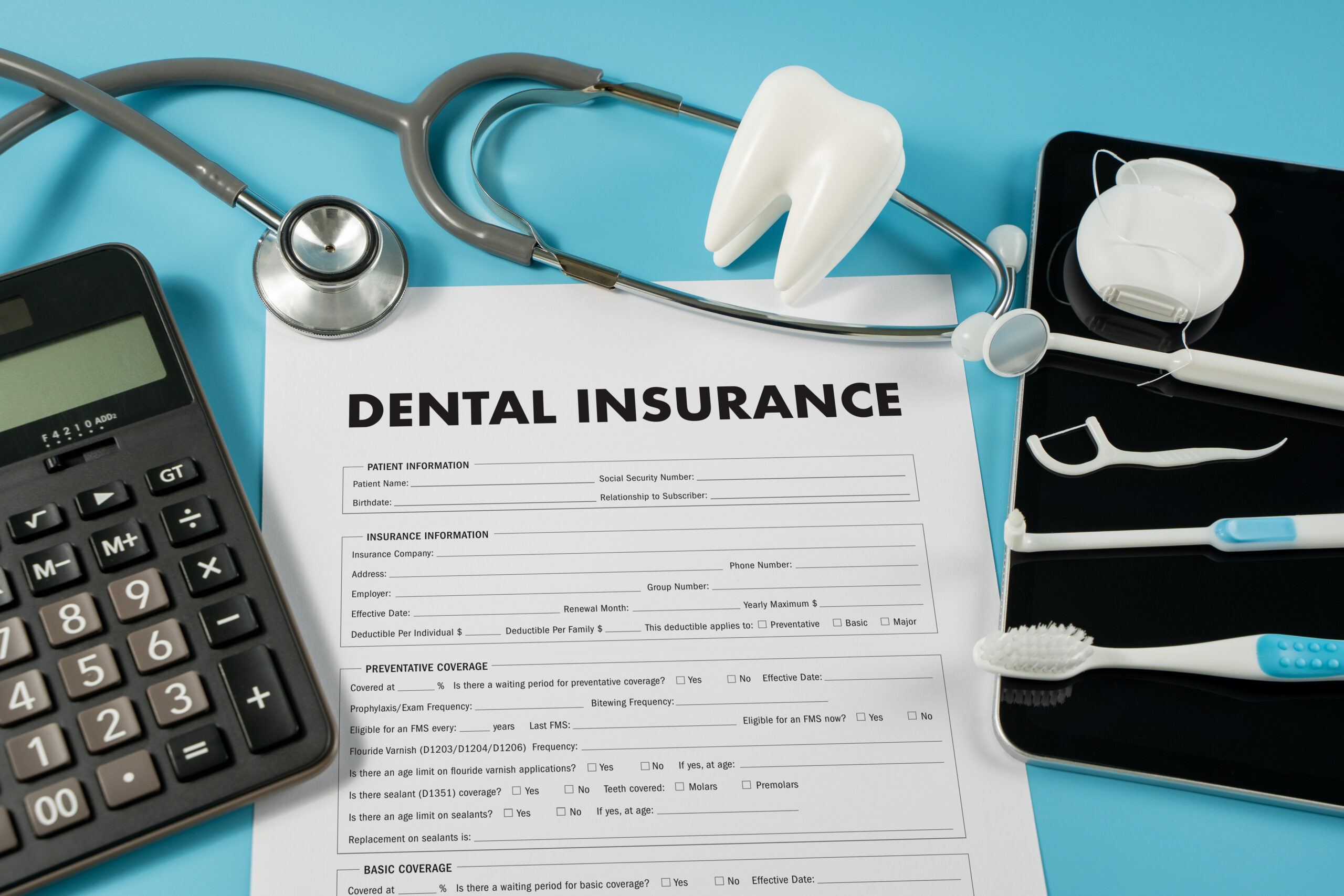
Wait – my benefits expire?
Yes, and it catches almost everyone off guard.
Your dental plan has something called an annual maximum. It’s the most your insurance will pay toward your family’s dental care in a year – often somewhere in the neighborhood of $1,000 to $2,000 per person, though it really depends on the plan your employer picked.
The easiest way to think about it: it’s less like a savings account and more like a gift card with an expiration date. Whether you use it or not, the clock resets on January 1, and anything left over doesn’t come with you.
Your deductible resets too. That’s the part you pay out of pocket before insurance starts chipping in. If you’ve already covered it this year – and most families with kids have, by fall – then treatment done now costs you less than the exact same treatment done in February.
Here’s the quick version of what goes away and what doesn’t:
One thing worth double-checking: a handful of plans run on the employer’s plan year instead of the calendar. If yours starts in July, your reset date is July 1, not January 1. Your benefits card or member portal will tell you.
What this looks like for a real family
Say you’ve got two kids and a plan with a $1,500 annual maximum. By September, both have had their cleanings, exams, and X-rays – call it $700 of that maximum used up. You’ve got roughly $800 left, and it’s good through December 31.
Now your dentist mentions sealants for one child and a small filling for the other. Schedule in November, and most of that $800 goes toward the work. Wait until February, and the maximum has reset, the deductible has reset, and you’re spending next year’s benefits on treatment you could have gotten for less two months earlier – money you’ll probably want come spring.
And the dollars aren’t the only cost. A small cavity left alone for four months can turn into something that needs a crown instead of a filling. That’s a longer appointment, a bigger bill, and a harder day for your kid.
And then there’s your FSA
If you set aside pre-tax money from your paycheck for medical expenses, that’s a Flexible Spending Account – and it’s where most of the forfeited money in America lives. FSAs are the one account with a real use-it-or-lose-it rule.
For 2026, you could put up to $3,400 into one. What happens to whatever’s left at year’s end depends entirely on what your employer chose:
- Some plans let you carry over up to $680 into 2027.
- Some give you a grace period instead – usually until around March 15, 2027 – to spend what’s left.
- Some offer neither, and unused money is simply forfeited.
Two things trip people up here. First, an employer can offer the carryover or the grace period, but never both. Second, a lot of families assume they have one of them and find out in January that they didn’t. Your HR portal will say, and it’s worth a two-minute look.
The good news: pretty much everything your child needs at the dentist counts. Exams, cleanings, X-rays, fluoride, sealants, fillings, crowns, extractions, braces – all generally FSA-eligible. (Whitening and other purely cosmetic work isn’t.)
If you have an HSA instead, you can relax a little
Health Savings Accounts don’t work this way. That money rolls over year after year, and it stays yours even if you change jobs. There’s no December 31 cliff. Using it on care your child needs now is still better than putting treatment off – but nothing’s going to vanish on you.One more reason to call now: that school dental form
This is the part most families don’t realize, and it makes a December appointment do double duty. Illinois requires proof of a dental exam for every child entering kindergarten, 2nd grade, 6th grade, and 9th grade. The form is due before May 15, and here’s the useful bit: the exam counts as long as it happened within the 18 months before that deadline. Which means an appointment in November or December takes care of next spring’s form and spends benefits that were about to expire anyway. The alternative is trying to book in April, when every other family in U-46, District 54, and the surrounding districts is calling about the same form – and paying for it out of next year’s benefits. If you’ve ever tried to get a dentist appointment in late April, you already know how that goes.How to find out what you’ve got left
You don’t need to dig through a benefits booklet. Five quick things:
- Log in to your insurance portal and look for “benefits used” or “remaining annual maximum.” Fastest answer you’ll get.
- Check whether you’ve met your deductible. If you have, this is the cheapest time of year for any treatment your child needs.
- Check your FSA balance – and while you’re in there, find out whether you have a carryover or a grace period.
- Count your child’s cleanings. Most plans cover two a year. If they’ve only had one, the second one is already paid for.
- Or just call us at (847) 717-5437. Honestly, this is the easy button. Our team does this all day – we’ll check your benefits, tell you what’s left, and give you a straight estimate before you commit to anything.
A quick, honest word about December
December is our busiest month, every year, for exactly the reason you’d guess: everyone’s plan resets on the same day. Add winter break and half days, and the appointment times families actually want – after school, first thing in the morning, the week before the holidays – go first.
If your child needs more than a cleaning, give yourself room. A filling or a crown is usually a separate visit from the exam, and both have to happen before December 31 to count toward this year. Calling in early November gives you options. Calling on December 20 usually means taking whatever’s left.
Questions parents ask us
Do unused dental benefits roll over to the next year?
No. With almost every dental plan, whatever’s left of your annual maximum disappears when the benefit year ends – usually December 31. It isn’t money you own, like a savings account; it’s a limit on what the insurance company will pay. The one exception is an orthodontic lifetime maximum, which isn’t an annual number and doesn’t reset.
What's the FSA deadline for 2026?
For most plans, December 31, 2026. If your employer offers a carryover, up to $680 can move into 2027. If they offer a grace period instead, you generally have until around March 15, 2027. It’s one or the other, never both – and plenty of employers offer neither. Your HR or benefits administrator can confirm which you have.
Can I use my FSA for my child's dental work?
Yes. Exams, cleanings, X-rays, fluoride, sealants, fillings, crowns, extractions, and orthodontics are all generally eligible. Purely cosmetic treatments aren’t.
Is it worth coming in if nothing's wrong?
Usually, yes. Most plans cover two cleanings and exams a year at or close to 100% – you’ve already paid for them through your premiums. And a routine visit is how we catch small problems while they’re still small and easy to fix.
My child had a cleaning back in January. Can they have another one this year?
Almost always. Most plans cover two per year, and many count by calendar year rather than requiring an exact six-month gap. Give us a call and we’ll check your specific plan before you come in.
Does a December exam count for the Illinois school form?
It does. Illinois accepts an exam completed within 18 months before the May 15 deadline, so a December visit covers next spring’s requirement for kids entering kindergarten, 2nd, 6th, or 9th grade.
What if we can't get it all done before December 31?
Call us anyway. Sometimes treatment can be split so part falls in this benefit year and part in the next, which spreads the cost across two annual maximums. Whether that makes sense depends on what your child needs – we’re happy to walk through it.
This is general information, not insurance advice – every plan is a little different. Your insurer, employer, or plan administrator can confirm the specifics for your family.
Let’s see what you’ve got left
Kids First Pediatric Dentistry takes care of kids in Elgin and Schaumburg, and we see families from South Elgin, Bartlett, Streamwood, West Dundee, Gilberts, Lake in the Hills, Huntley, Hampshire, Roselle, and Hoffman Estates.
Call (847) 717-5437 or email info@kidsfirstpd.com and we’ll check your benefits for you.
Elgin: 1640 Capital St., Suite 500, Elgin, IL 60124
Schaumburg: 75 West Schaumburg Rd., Schaumburg, IL 60194
Contact Us
847-717-5437
info@kidsfirstpd.com
Elgin
Schaumburg
We proudly serve Elgin, South Elgin, Bartlett, Streamwood, West Dundee, Gilberts, Lake in the Hills, Huntley, Hampshire, Roselle, Schaumburg and Hoffman Estates.
Contact Us
(847) 717-5437
info@kidsfirstpd.com
Elgin
Schaumburg
We proudly serve Elgin, South Elgin, Bartlett, Streamwood, West Dundee, Gilberts, Lake in the Hills, Huntley, Hampshire, Roselle, Schaumburg and Hoffman Estates.